





Blog
Best All-Season Tires for Canada in 2026: Complete Buying Guide
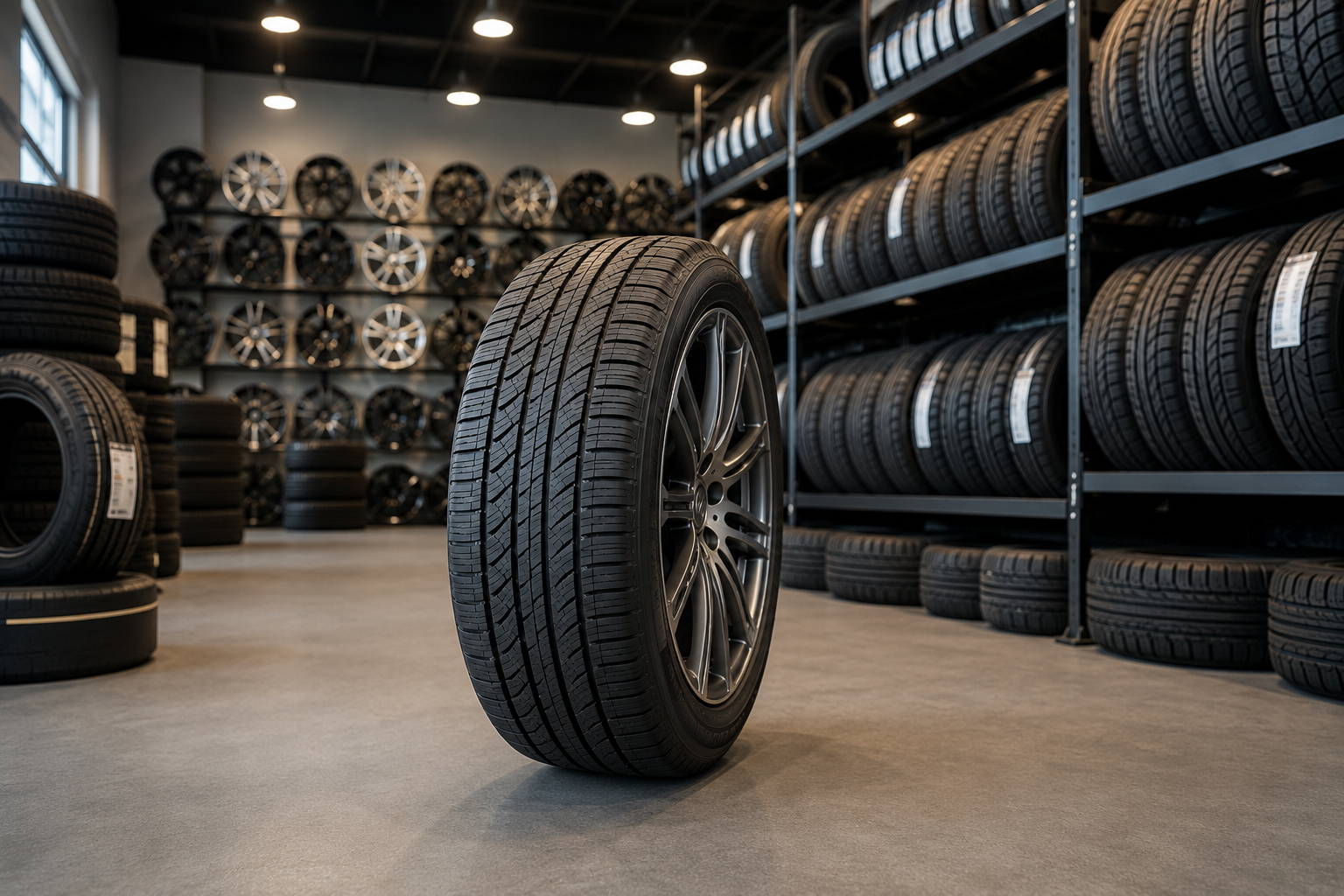
Choosing the Best All-Season Tires for Canada isn’t as simple as buying the first set you find online. Canadian drivers experience a wide variety of road conditions throughout the year—from warm summer highways to cold rainy mornings and occasional light snowfall. The right tire can improve your safety, reduce fuel consumption, provide a quieter ride, and save money over the long term.
If you’re wondering whether all-season tires are the right choice for your vehicle in 2026, this guide covers everything you need to know. We’ll explain how all-season tires work, who they are best suited for, what features to compare before buying, and which tire options offer the best value for Canadian drivers.
Whether you drive a sedan, SUV, crossover, or light truck, this guide will help you make an informed decision.
What Are All-Season Tires?
All-season tires are designed to deliver balanced performance throughout most of the year. Unlike winter tires, which use softer rubber compounds for freezing temperatures, all-season tires are engineered to perform well in:
- Dry roads
- Wet pavement
- Mild cold temperatures
- Light snow
- Everyday highway driving
Their tread design provides a good balance between traction, handling, ride comfort, and durability, making them one of the most popular tire choices across Canada.
However, it’s important to understand that “all-season” does not mean “all-weather.” In provinces with heavy snowfall or frequent icy roads, winter tires still provide superior performance.
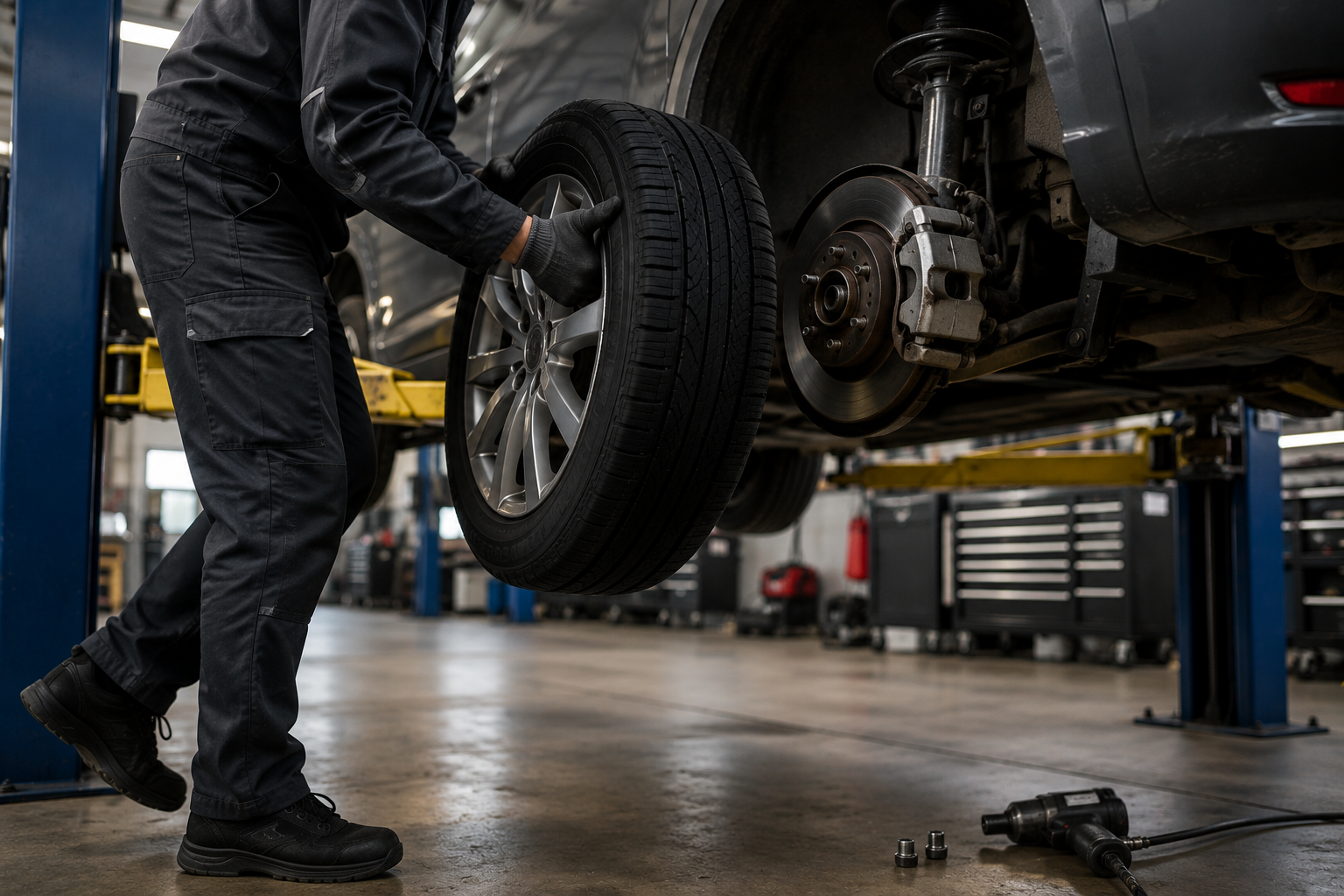
Are All-Season Tires Good for Canadian Weather?
The answer depends on where you live.
All-season tires are an excellent choice for drivers who experience:
- Mild winters
- Mostly urban driving
- Highway commuting
- Limited snowfall
Drivers in areas such as Metro Vancouver, Burnaby, Coquitlam, Port Coquitlam, and many parts of British Columbia often find all-season tires sufficient for most of the year.
If you regularly drive through mountain passes or regions with significant snowfall, consider switching to dedicated winter tires during the coldest months.
For a deeper comparison, you can also read our guide on All Weather vs. Winterhich On Tires: We Wins?, which explains the differences between tire categories in more detail.
Benefits of All-Season Tires
1. Cost-Effective
Buying one set of tires instead of separate summer and winter sets can reduce your overall tire investment.
2. Comfortable Ride
Modern all-season tires are engineered to minimize road noise while providing excellent ride comfort.
3. Long Tread Life
Many quality all-season tires offer impressive tread life, making them ideal for drivers who cover long distances every year.
4. Better Fuel Economy
Lower rolling resistance helps improve fuel efficiency compared to more aggressive tire designs.
5. Reliable Everyday Performance
For typical commuting and family driving, quality all-season tires offer dependable traction in changing weather conditions.
How to Choose the Best All-Season Tire
Choosing the right tire involves more than selecting a popular brand.
Consider the following factors.
Vehicle Type
Different vehicles require different tire characteristics.
- Compact Cars
- Sedans
- SUVs
- Crossovers
- Pickup Trucks
- Electric Vehicles
The weight and power of your vehicle significantly influence which tire performs best.
Driving Style
Ask yourself:
- Do you mostly drive in the city?
- Do you travel long highway distances?
- Do you frequently drive in rainy conditions?
- Do you prioritize comfort or handling?
Understanding your driving habits helps narrow your options.
Tread Pattern
Modern all-season tires feature tread designs that improve:
- Water evacuation
- Dry handling
- Wet braking
- Noise reduction
- Tire longevity
Choose a tire with wide circumferential grooves and quality siping for improved wet performance.
Treadwear Rating
A higher treadwear rating generally indicates longer expected tire life.
Drivers who travel thousands of kilometers each year should pay attention to this specification.
Warranty
Many manufacturers now provide mileage warranties that demonstrate confidence in tire durability.
Always compare warranty coverage before making your purchase.
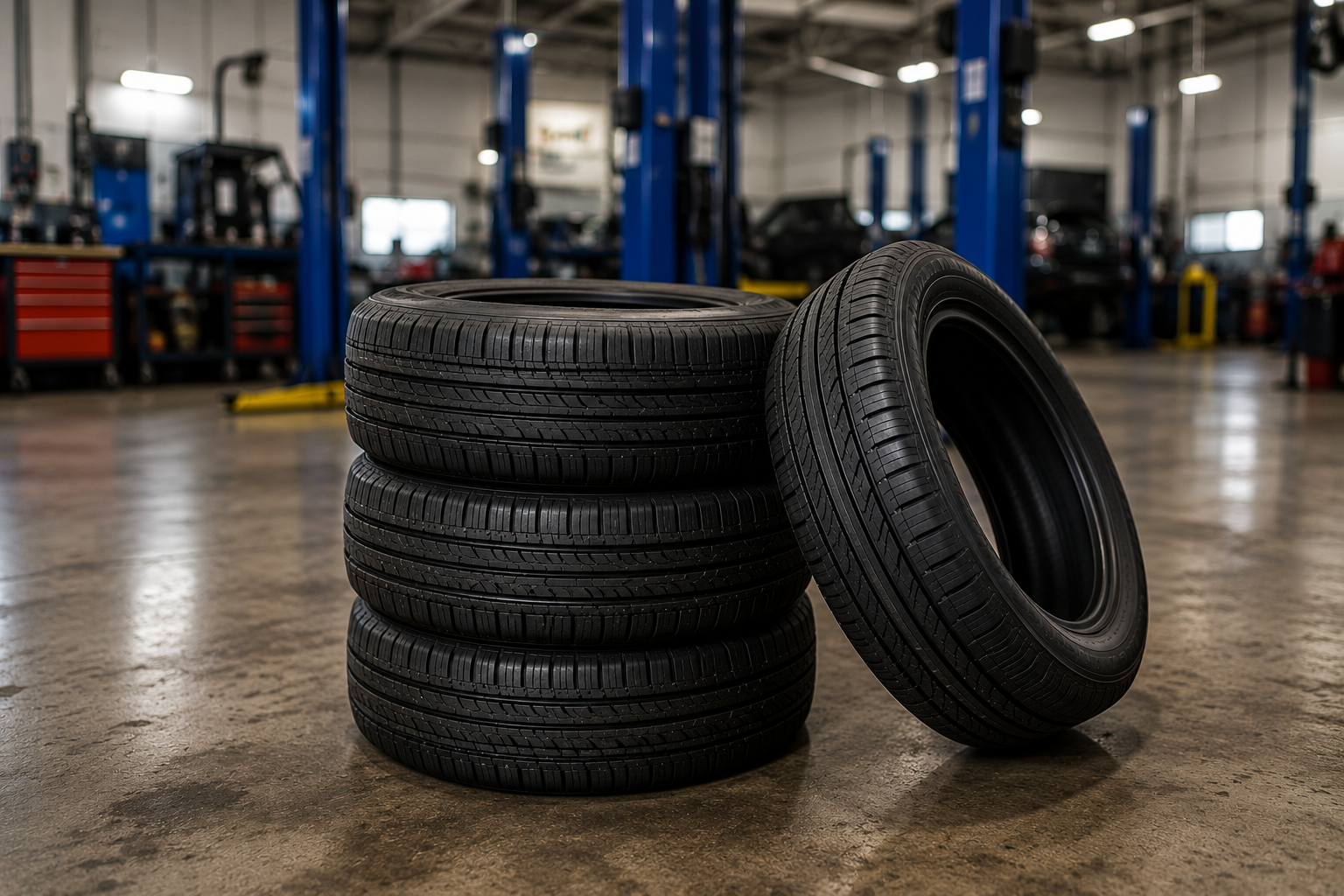
Best All-Season Tires for Canada in 2026
While there are many excellent tire manufacturers available, several options consistently deliver outstanding value.
Premium Choices
Premium tires typically offer:
- Better wet grip
- Lower road noise
- Longer lifespan
- Better fuel economy
- Improved handling
These are ideal for drivers who prioritize maximum performance.
Mid-Range Options
Mid-range tires often provide the best balance between price and quality.
Many Canadian drivers find these tires deliver excellent everyday performance without premium pricing.
Budget-Friendly Tires
Budget-friendly tires have improved dramatically over the past several years.
Brands like Neolin now offer dependable all-season options that combine affordability with reliable daily performance, making them an excellent choice for cost-conscious drivers.
Signs It’s Time to Replace Your Tires
Even the best all-season tires eventually wear out.
Replace your tires if you notice:
- Tread depth below recommended limits
- Uneven wear
- Cracks in the sidewall
- Frequent loss of air pressure
- Increased road noise
- Reduced wet traction
Regular inspections help identify these issues before they become safety concerns.
Tire Maintenance Tips
Buying quality tires is only the beginning.
Proper maintenance helps maximize tire performance.
Check Tire Pressure Monthly
Incorrect inflation affects:
- Fuel economy
- Tire wear
- Braking distance
- Ride comfort
Rotate Tires Regularly
Rotating tires every 8,000–10,000 km promotes even wear and extends tire life.
Professional Tire Rotation Service ensures your tires wear evenly and continue performing at their best.
Wheel Alignment
Poor alignment causes uneven tread wear and negatively affects vehicle handling.
Have your alignment inspected whenever you notice the steering wheel pulling to one side.
Balance Your Tires
Wheel balancing reduces vibration and improves overall driving comfort.
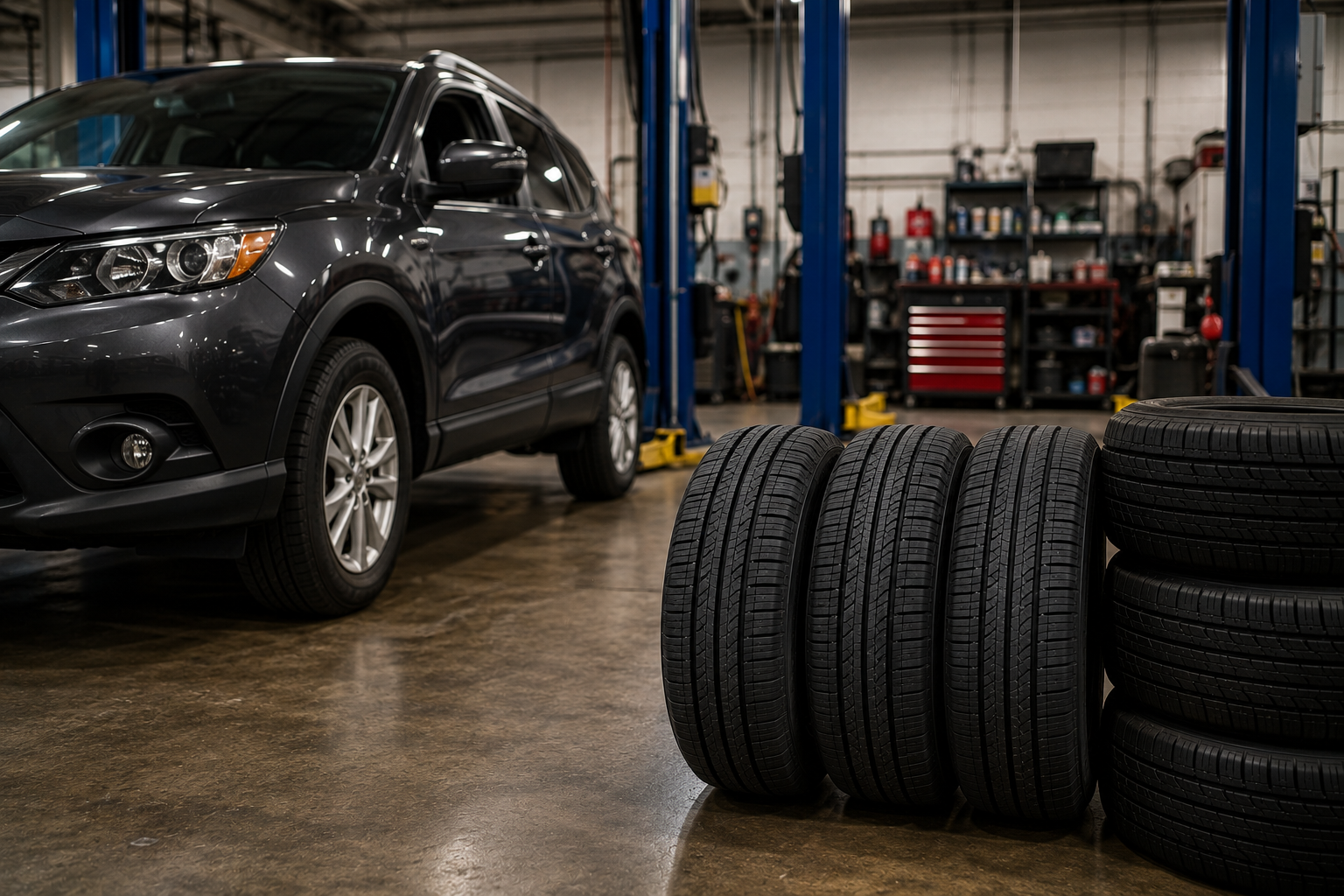
Choosing the Right Tire Size
Never choose a tire based solely on price.
Always match:
- Tire width
- Aspect ratio
- Rim diameter
- Load index
- Speed rating
Your vehicle owner’s manual and tire placard provide the correct specifications.
Why Buy Tires from KanTire?
Finding the right tire involves more than browsing online listings.
KanTire offers:
- Expert recommendations
- Competitive pricing
- Professional installation
- Tire inspections
- Wheel balancing
- Tire rotation
- Reliable customer support
Whether you’re replacing one tire or upgrading your entire set, professional guidance helps ensure you choose the right option for your driving needs.
Serving Drivers Across British Columbia
KanTire proudly serves drivers throughout the Tri-Cities and surrounding communities.
If you’re looking for tire sales or professional installation in Coquitlam, explore our dedicated Coquitlam Service Area page to learn more about local availability and services.
Recommended Product
If you’re looking for an affordable everyday option, the Neolin 255/45 R19 All Season Tire is a reliable choice for drivers seeking dependable year-round performance, comfortable handling, and excellent value.
FAQ
Are all-season tires good enough for Canadian winters?
They work well in mild winter conditions with occasional light snow. For severe winter weather and icy roads, dedicated winter tires remain the safest option.
How long do all-season tires last?
Most quality all-season tires last between 60,000 and 100,000 km, depending on driving habits, road conditions, and maintenance.
Can I drive all year with all-season tires?
Yes, many Canadian drivers use all-season tires year-round, especially in regions with relatively mild winters.
Do all-season tires improve fuel economy?
Yes. Many modern all-season tires feature low rolling resistance, helping improve fuel efficiency compared to more aggressive tire types.
How often should I rotate my all-season tires?
Most manufacturers recommend rotating tires every 8,000–10,000 km to promote even tread wear.
The Best All-Season Tires for Canada in 2026 combine safety, durability, comfort, and value. Rather than focusing solely on brand names, consider your driving habits, local weather conditions, vehicle type, and long-term ownership costs.
With proper maintenance and expert installation, a quality set of all-season tires can provide years of reliable performance while keeping you safe on Canadian roads.
 Tire Change
 Port Coquitlam