



Blog
Best Tire Pressure for Different Driving Conditions
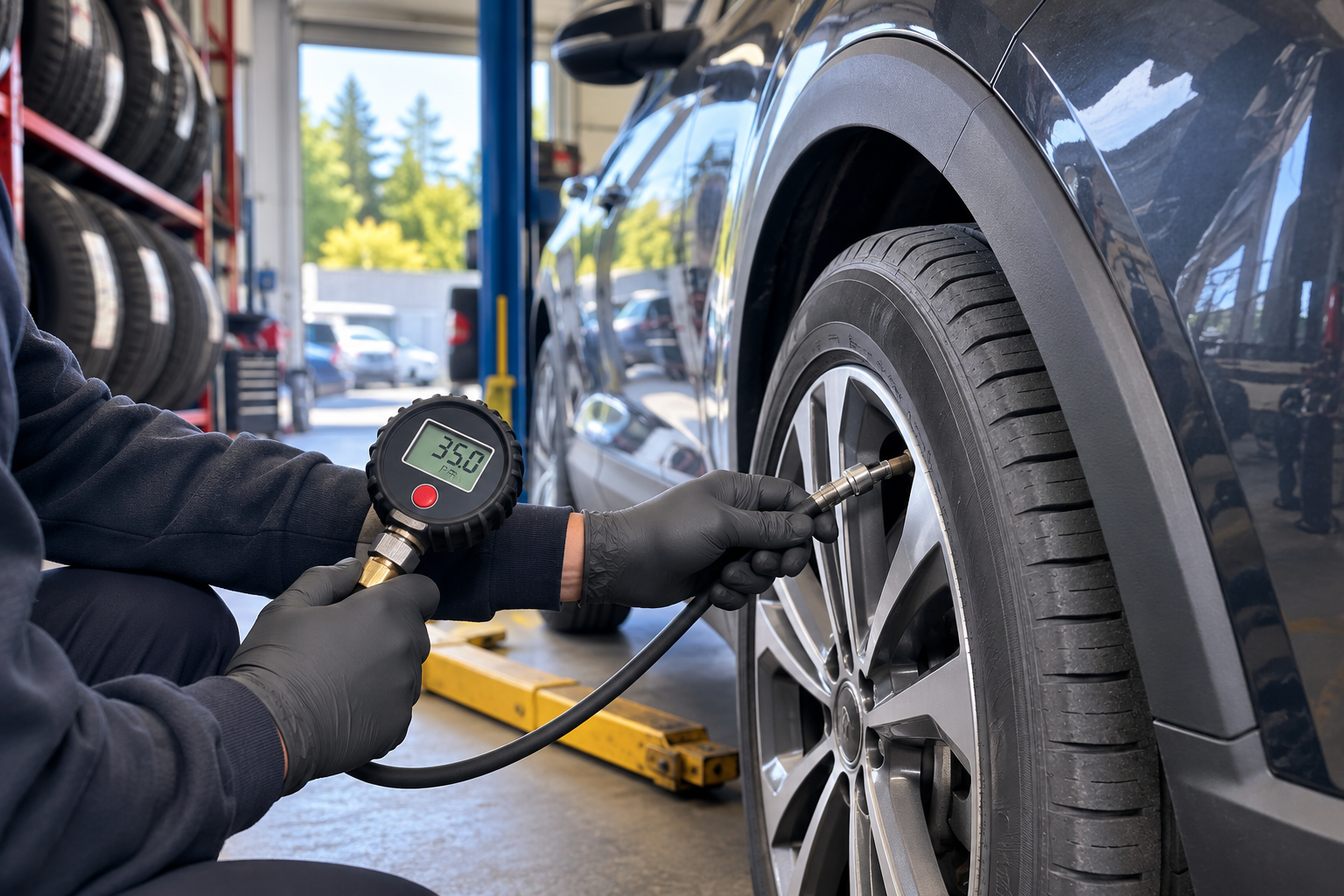
Most drivers rarely think about tire pressure until a warning light appears on the dashboard. Yet tire pressure is one of the most important factors affecting your vehicle’s safety, fuel economy, handling, and tire lifespan. Whether you are driving through busy city streets, cruising on the highway, exploring mountain roads, or dealing with snow and rain, having the correct tire pressure can make a significant difference.
Many people believe there is one Best Tire Pressure for Different Driving Conditions. In reality, the best tire pressure depends on your vehicle, the tires you use, the outside temperature, the weight you are carrying, and the type of road you are driving on. Understanding these factors allows you to keep your tires performing at their best while reducing unnecessary wear.
Canadian drivers experience a wide variety of road and weather conditions throughout the year. A single week may include sunny highways, heavy rain, rough construction zones, and cold mornings. Because of these changing conditions, maintaining the proper tire pressure should be part of every driver’s regular vehicle maintenance routine.
In this guide, you will learn how tire pressure affects your vehicle, why different driving conditions require extra attention, and how to make smart decisions that protect both your tires and your safety.
Why Tire Pressure Matters
Tires are the only part of your vehicle that stays in direct contact with the road. Each tire supports a portion of your vehicle’s weight while providing traction for acceleration, braking, and cornering. Even a small change in tire pressure can influence how your vehicle responds in everyday driving.
When tire pressure is too low, a larger portion of the tire touches the road surface. Although this may sound beneficial, it actually increases rolling resistance. The engine must work harder, fuel consumption rises, and the outer edges of the tire wear more quickly. Underinflated tires also produce more heat, increasing the risk of tire failure during long drives.
On the other hand, tires with too much air pressure create a smaller contact patch with the road. This reduces grip, especially on wet or uneven surfaces. Overinflated tires often wear more quickly in the center of the tread and can make the ride feel harsh because the tire absorbs fewer road impacts.
Correct tire pressure helps maintain the ideal balance between grip, comfort, durability, and efficiency. It also ensures that modern safety systems such as anti-lock brakes and electronic stability control work as intended.
How to Find the Correct Tire Pressure
One of the biggest mistakes drivers make is using the maximum pressure listed on the tire sidewall. This number represents the highest pressure the tire can safely hold under maximum load. It is not the recommended pressure for everyday driving.
Instead, you should always follow the vehicle manufacturer’s recommendation. This information is usually found in one of three places:
- Inside the driver’s side door jamb
- Inside the owner’s manual
- On a label inside the fuel door on some vehicles
The recommended pressure is typically measured in PSI, which stands for pounds per square inch. Some vehicles may also display pressure in kilopascals.
Always measure tire pressure when the tires are cold. Driving for even a few kilometers warms the air inside the tires, temporarily increasing the pressure and producing an inaccurate reading.
Understanding How Temperature Changes Tire Pressure
Temperature has a surprisingly large effect on tire pressure. Air expands when it becomes warm and contracts when it becomes cold.
As a general guideline, tire pressure changes by approximately one PSI for every 10 degrees Fahrenheit, or about six degrees Celsius, of temperature change.
For Canadian drivers, this is especially important during seasonal transitions. A tire that was perfectly inflated during a warm autumn afternoon may become underinflated after a cold winter night.
Likewise, tires that are inflated during freezing temperatures may appear overinflated after several hours of driving on a hot summer day.
Instead of adjusting tire pressure after every weather change, simply check it regularly and keep it close to the manufacturer’s recommended value.
Best Tire Pressure for Everyday City Driving
Most daily commuting takes place at moderate speeds with frequent stops, turns, and traffic signals. City driving places different demands on tires compared to highway travel.
For normal urban driving, the manufacturer’s recommended tire pressure is almost always the best choice. It provides the right balance between comfort, traction, steering response, and tire longevity.
Drivers should pay extra attention to tire pressure if they frequently:
- Drive over potholes
- Cross speed bumps
- Park for extended periods
- Make short trips where tires never fully warm up
Urban roads often contain uneven pavement and sharp edges that increase the risk of tire damage. Proper inflation helps tires absorb these impacts more effectively while protecting the wheel from excessive stress.
Checking tire pressure once every month is usually sufficient for city drivers, although more frequent inspections are recommended during extreme weather changes.
Best Tire Pressure for Highway Driving
Long highway trips generate more heat inside the tires because of continuous high speeds. Many drivers assume they should increase tire pressure before taking a long journey, but this is usually unnecessary.
Modern vehicles are designed to operate safely at highway speeds using the recommended cold tire pressure provided by the manufacturer.
Before beginning a long trip, make sure:
- All four tires are inflated to the recommended cold pressure.
- The spare tire is properly inflated.
- Tires show no signs of uneven wear.
- Tread depth is sufficient for safe highway driving.
Highway speeds magnify the effects of incorrect tire pressure. Underinflated tires flex more as they rotate, creating excessive heat buildup. This heat can weaken the tire structure and increase the likelihood of a blowout.
Maintaining proper pressure improves straight-line stability, braking performance, and fuel efficiency during extended highway travel.
Driving with a Fully Loaded Vehicle
Family vacations, moving day, or carrying work equipment all place additional weight on your vehicle.
Extra weight increases the load carried by each tire. Some vehicles have separate tire pressure recommendations for normal driving and full-load conditions. These values can usually be found on the driver’s door sticker or in the owner’s manual.
If your manufacturer specifies a higher pressure for heavy loads, follow those recommendations carefully.
Proper inflation under heavy loads offers several benefits:
- Better vehicle stability
- Reduced sidewall flex
- Improved braking performance
- Lower heat generation
- Longer tire life
Never guess how much additional pressure to add. Always rely on the manufacturer’s specifications instead of estimating.
Tire Pressure for Rainy Conditions
Rain significantly reduces available traction because water creates a thin layer between the tire and the road.
Although tire pressure cannot prevent hydroplaning entirely, maintaining the correct pressure helps maximize the tire’s ability to channel water away through its tread grooves.
Underinflated tires may flex excessively, reducing steering precision during wet driving. Overinflated tires may have a smaller contact patch, decreasing available grip when roads become slippery.
For rainy weather, experts generally recommend keeping tire pressure exactly at the manufacturer’s specification rather than increasing or decreasing it.
In addition to proper inflation, drivers should reduce speed, increase following distance, and avoid sudden steering inputs when roads are wet.
Tire Pressure for Snow and Winter Roads
Winter driving introduces unique challenges that affect both tire performance and tire pressure.
Cold temperatures naturally reduce tire pressure, meaning drivers often discover that their tires are several PSI below the recommended level during winter mornings.
This is why regular pressure checks become even more important during the colder months.
Many drivers mistakenly lower tire pressure to improve grip on snow. While this technique may be useful in certain off-road situations, it is generally not recommended for normal road driving because it reduces tire stability, increases tread wear, and can negatively affect vehicle handling.
Instead, use properly inflated winter tires that are specifically designed for snow and ice. Their specialized rubber compounds and tread patterns provide significantly better traction without requiring lower tire pressure.
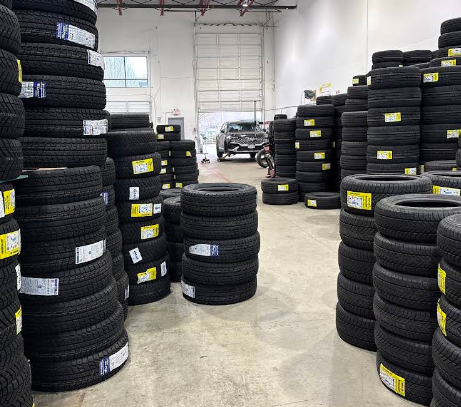
A trusted service provider such as Kan Tire can also inspect your tires and perform Professional Tire Balancing when needed, helping ensure smooth performance throughout changing seasons. Additionally, if you are looking for a reliable Tire Shop in Port Coquitlam & Tri-Cities, choosing experienced technicians can help keep your tires properly maintained year-round.
Tire Pressure for Hot Summer Weather
Summer road trips are popular across Canada, but rising temperatures can affect tire performance in ways many drivers do not expect. As the air temperature increases, so does the pressure inside your tires. This natural expansion often causes drivers to believe they should release air from warm tires. In most cases, this is not the correct approach.
Remember that vehicle manufacturers recommend tire pressure based on cold tires. After driving for even 20 to 30 minutes, your tires heat up from friction with the road and the pressure rises naturally. If you release air from hot tires, they may become underinflated once they cool down.
Instead, check your tire pressure before driving in the morning or after the vehicle has been parked for several hours.
Summer also places additional stress on tires because hot pavement increases operating temperatures. Combined with long highway drives and heavy vacation loads, incorrect tire pressure can significantly increase the chance of tire damage.
To prepare for summer travel:
- Check tire pressure before every long trip.
- Inspect tread depth.
- Look for cracks, cuts, or bulges.
- Remove unnecessary cargo to reduce vehicle weight.
- Rotate your tires if they are due for service.
These simple steps help improve safety while extending tire life.
Tire Pressure for Gravel Roads
Many Canadians regularly drive on gravel roads, especially in rural areas, cottage regions, and construction sites.
Gravel surfaces create different challenges than paved roads. Loose stones reduce traction, while sharp rocks increase the risk of punctures.
Some off-road enthusiasts slightly reduce tire pressure for better traction on loose surfaces. However, this practice is generally intended for specialized off-road vehicles operating at low speeds.
For everyday passenger vehicles driving on maintained gravel roads, it is usually best to stay close to the manufacturer’s recommended tire pressure.
Maintaining proper inflation helps:
- Protect tire sidewalls from excessive flexing.
- Reduce the risk of wheel damage.
- Maintain predictable steering.
- Improve braking performance.
If you frequently travel on gravel roads, inspect your tires more often because small stones can become lodged in the tread and eventually cause damage.
Tire Pressure for Off Road Adventures
Driving off road introduces conditions that differ greatly from normal highways.
Sand, mud, rocks, forest trails, and uneven terrain often require different driving techniques.
Experienced off-road drivers sometimes reduce tire pressure to increase the contact patch and improve traction. Lower pressure allows the tire to flex around obstacles and float more effectively over soft terrain.
However, this should only be done when:
- Driving at low speeds.
- Using appropriate off-road tires.
- Following manufacturer or off-road vehicle guidelines.
Driving on public roads with significantly reduced tire pressure is unsafe. Low pressure causes excessive heat buildup, poor handling, and accelerated tire wear.
Always reinflate tires to the recommended road pressure before returning to paved roads.
How Tire Pressure Affects Fuel Economy
Fuel efficiency is influenced by many factors, including driving habits, weather, vehicle maintenance, and tire pressure.
Underinflated tires create greater rolling resistance. This means your engine must produce more power just to keep the vehicle moving.
Even a small reduction in tire pressure can gradually increase fuel consumption over time.
Maintaining the correct pressure offers several fuel-saving benefits:
- Reduced rolling resistance.
- More efficient engine performance.
- Better highway fuel economy.
- More consistent tire wear.
Although proper tire pressure alone will not dramatically reduce fuel costs, maintaining it throughout the year can produce noticeable savings while helping your tires last longer.
How Tire Pressure Affects Tire Wear
Uneven tire wear often provides valuable clues about tire pressure problems.
Underinflation
When tire pressure is too low, the outer edges of the tread wear faster than the center.
Common signs include:
- Rounded tire shoulders.
- Increased road noise.
- Reduced fuel economy.
- Heavy steering feel.
Overinflation
Excessive pressure causes the center of the tread to wear more quickly.
Drivers may notice:
- A firmer ride.
- Reduced grip.
- Increased sensitivity to bumps.
- Faster center tread wear.
Correct Inflation
Properly inflated tires typically wear evenly across the entire tread surface.
Even wear helps maximize tire lifespan while maintaining predictable handling throughout the tire’s service life.
How Often Should You Check Tire Pressure?
Many vehicle owners wait until the tire pressure warning light appears before checking their tires. Unfortunately, by that point the pressure has often dropped well below the recommended level.
A better routine includes checking tire pressure:
- Once every month.
- Before long road trips.
- After major temperature changes.
- Before carrying heavy loads.
- After striking a large pothole or curb.
- Whenever tire wear appears uneven.
Regular inspections take only a few minutes but can prevent costly repairs and improve overall safety.
Digital Versus Manual Tire Pressure Gauges
A reliable tire pressure gauge is one of the simplest tools every driver should own.
Digital Gauges
Digital gauges are easy to read and usually provide highly accurate measurements.
Advantages include:
- Clear digital display.
- Fast readings.
- Excellent precision.
- Easy operation.
Pencil Gauges
Traditional pencil gauges remain popular because they are affordable, compact, and require no batteries.
Although they may not be quite as precise as high-quality digital gauges, they are still perfectly suitable for routine pressure checks.
Whichever type you choose, consistency matters more than the style of gauge itself.
Common Tire Pressure Myths
Many misconceptions continue to circulate among drivers. Understanding the facts helps you make better maintenance decisions.
Myth One: Inflate Tires to the Maximum Pressure Listed on the Sidewall
The sidewall number is not your recommended operating pressure. Always follow the vehicle manufacturer’s specifications.
Myth Two: Tire Pressure Never Changes
Pressure naturally changes with temperature, altitude, and time.
Even healthy tires slowly lose small amounts of air over several months.
Myth Three: New Tires Never Lose Air
Every tire gradually loses pressure through natural air permeation.
Routine inspections remain important regardless of tire age.
Myth Four: You Only Need to Check Tire Pressure in Winter
Seasonal changes occur year-round.
Summer heat, long trips, and changing weather also affect tire pressure.
Myth Five: The TPMS Replaces Manual Checks
A Tire Pressure Monitoring System is an excellent safety feature, but it does not eliminate the need for regular inspections.
Many TPMS systems only activate after pressure has already fallen significantly below the recommended level.
Signs Your Tire Pressure May Be Incorrect
Your vehicle often provides warning signs before tire pressure becomes a serious problem.
Watch for symptoms such as:
- Uneven tire wear.
- Poor fuel economy.
- Vehicle pulling to one side.
- Slower steering response.
- Excessive vibration.
- Rough ride quality.
- Tire pressure warning light.
- Longer stopping distances.
Ignoring these warning signs can shorten tire life and reduce overall driving safety.
Why Proper Tire Maintenance Matters Beyond Inflation
While maintaining the correct tire pressure is essential, it is only one part of complete tire care.
To maximize tire life and performance, drivers should also:
- Rotate tires at recommended intervals.
- Balance tires when needed.
- Check wheel alignment.
- Inspect tread depth regularly.
- Replace damaged tires promptly.
- Remove embedded stones or debris.
- Check valve stems for leaks.
When these maintenance practices are combined with proper inflation, tires typically deliver better performance, greater comfort, and a longer service life.
Maintaining the best tire pressure for different driving conditions is one of the simplest and most effective ways to improve your driving experience. Whether you are commuting through the city, heading out on a long highway trip, navigating rainy roads, or driving through snow, properly inflated tires help your vehicle perform as it was designed.
There is no universal tire pressure that works for every vehicle. The correct pressure depends on the manufacturer’s recommendations, your vehicle’s load, the weather, and the road conditions you encounter. Rather than adjusting tire pressure based on guesswork or common myths, rely on the specifications provided for your vehicle and check your tires regularly with a quality pressure gauge.
Consistent tire maintenance offers benefits that extend beyond safety. Correct tire pressure helps reduce fuel consumption, improves steering response, shortens braking distances, promotes even tread wear, and increases the overall lifespan of your tires. These advantages can save money over time while providing greater confidence behind the wheel.
Developing a simple routine of checking your tire pressure once a month, before long trips, and whenever temperatures change significantly can make a noticeable difference. It only takes a few minutes, but it can prevent premature tire wear, improve comfort, and reduce the risk of unexpected tire problems on the road.
No matter what season you are driving in, properly inflated tires remain one of the most important components of a safe and efficient vehicle. By giving your tires the attention they deserve, you can enjoy smoother handling, better performance, and peace of mind on every journey.
FAQ
What is the ideal tire pressure for most passenger vehicles?
Most passenger vehicles recommend tire pressures between 30 and 35 PSI when the tires are cold. However, the correct pressure varies by vehicle, so always follow the recommendation found on the driver’s side door jamb or in the owner’s manual.
Should I increase tire pressure before a long highway trip?
In most cases, no. Simply ensure your tires are inflated to the manufacturer’s recommended cold tire pressure before you begin your trip. The pressure will naturally increase as the tires warm up during driving.
Does cold weather lower tire pressure?
Yes. Tire pressure typically drops by about 1 PSI for every 10 degrees Fahrenheit, or approximately 6 degrees Celsius, that the outside temperature decreases. This is why more frequent pressure checks are recommended during winter.
Is it safe to drive with slightly underinflated tires?
Even slightly underinflated tires can reduce fuel efficiency, increase tire wear, generate excessive heat, and negatively affect braking and handling. It is best to correct the pressure as soon as possible.
Can overinflated tires be dangerous?
Yes. Overinflated tires reduce the amount of tread contacting the road, which can decrease traction, create a harsher ride, and cause uneven wear in the center of the tire.
How often should I check my tire pressure?
Most experts recommend checking tire pressure at least once a month, before long road trips, after significant temperature changes, and whenever the Tire Pressure Monitoring System indicates a warning.
Should tire pressure be different for summer and winter tires?
The recommended pressure usually remains the same unless your vehicle manufacturer specifies otherwise. However, colder temperatures reduce tire pressure naturally, making winter inspections especially important.
Can I rely only on my vehicle’s Tire Pressure Monitoring System?
No. TPMS is an excellent safety feature, but it does not replace regular manual inspections. Many systems only alert you after the pressure has already dropped below the recommended level.
 Tire Change
 Port Coquitlam