





Blog
Best Tire Size for Better Fuel Economy
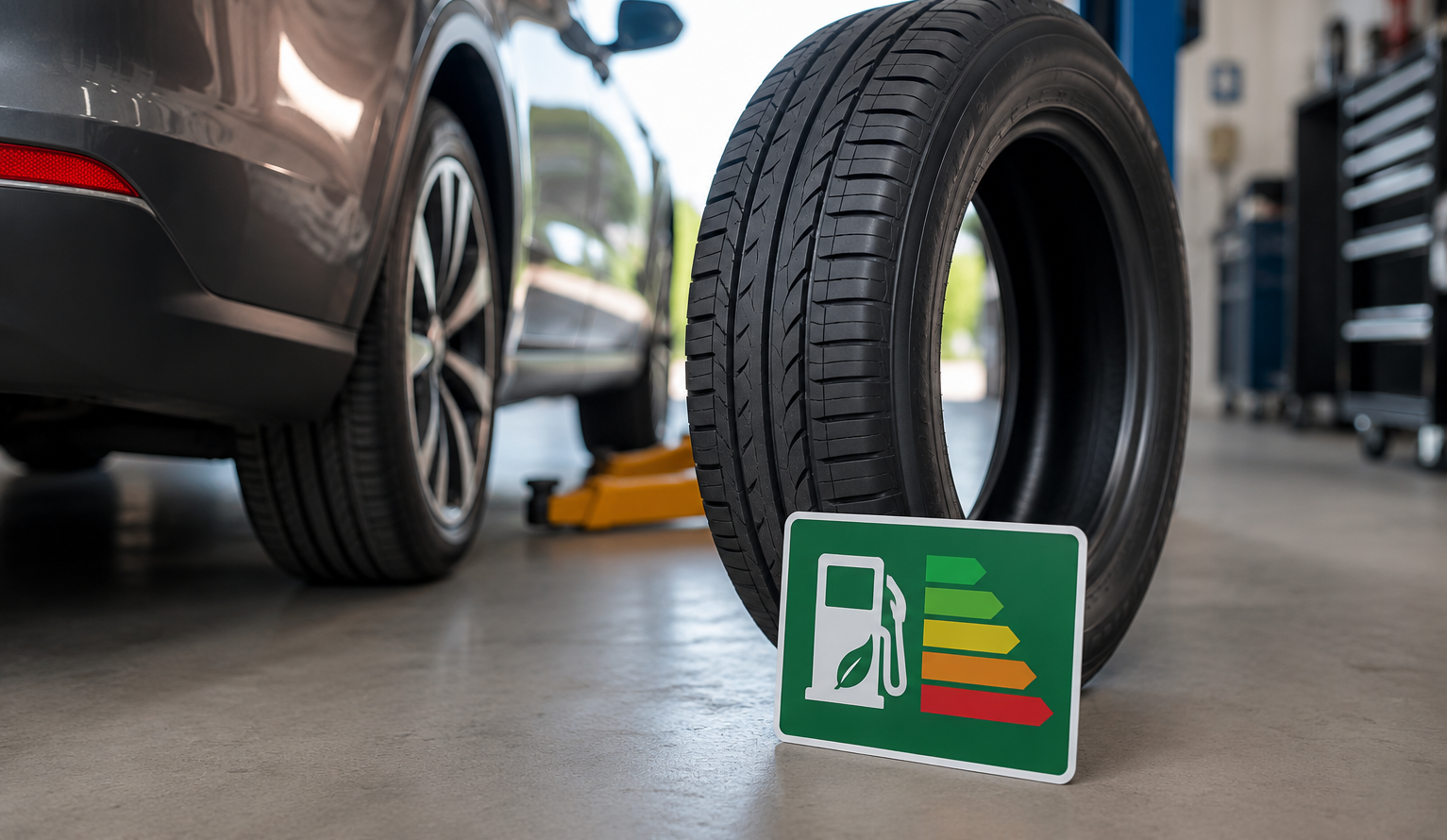
When people think about improving fuel economy, they often focus on engine maintenance, driving habits, or fuel quality. While these factors certainly matter, one important detail is frequently overlooked: tire size.
The tires installed on your vehicle play a direct role in how efficiently your engine uses fuel. Choosing the wrong size can increase rolling resistance, add unnecessary weight, and force the engine to work harder. On the other hand, selecting the right tire size can improve efficiency without sacrificing comfort or safety.
Understanding the Best Tire Size for Better Fuel Economy isn’t simply about choosing the smallest tire available. Every vehicle is engineered with specific tire dimensions that balance performance, comfort, handling, braking, and fuel consumption. Making informed decisions about tire size helps drivers save money at the pump while maintaining a safe driving experience.
Whether you drive a compact car, family SUV, pickup truck, or crossover, understanding how tire size affects fuel economy can help you make smarter choices when it’s time to replace your tires.
Why Tire Size Matters
Every tire has three important dimensions that influence how your vehicle performs:
- Width
- Aspect ratio
- Wheel diameter
For example, a tire marked 205/55R16 tells you the tire is 205 millimeters wide, has a sidewall height equal to 55% of its width, and fits a 16-inch wheel.
Changing any of these measurements changes how your vehicle interacts with the road.
A wider tire creates a larger contact patch with the pavement. While this often improves grip and cornering performance, it also increases rolling resistance. More resistance means your engine needs more energy to keep the vehicle moving, which results in higher fuel consumption.
Larger wheels also tend to weigh more than smaller ones. Increased rotational weight requires additional engine power during acceleration, reducing overall efficiency.
Finding the right balance is the key to maximizing fuel economy.
Understanding Rolling Resistance
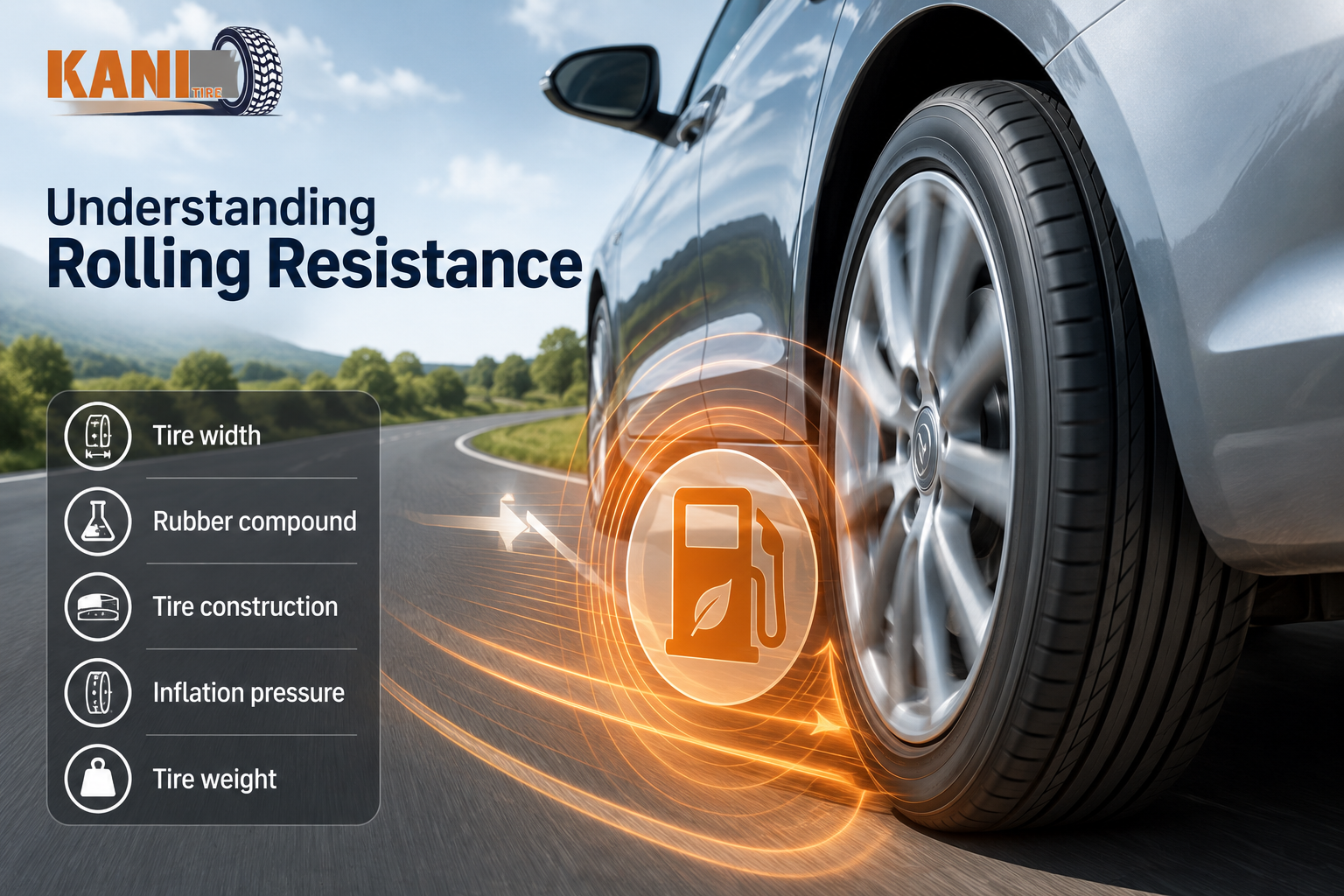
Rolling resistance is one of the biggest factors influencing fuel consumption.
Whenever your vehicle moves, the tires constantly flex as they rotate. This flexing creates heat and consumes energy. The greater the rolling resistance, the more fuel your engine burns.
Several tire characteristics affect rolling resistance:
- Tire width
- Rubber compound
- Tire construction
- Inflation pressure
- Tire weight
Manufacturers spend years designing tires that reduce rolling resistance without compromising safety.
Modern low rolling resistance tires are specifically engineered to improve fuel efficiency while still providing reliable traction in everyday driving conditions.
Can Smaller Tires Improve Fuel Economy?
Many drivers assume that smaller tires automatically improve gas mileage.
The answer is more complicated.
If the replacement tire stays within the manufacturer’s recommended overall diameter while using a slightly narrower tread, fuel economy may improve slightly because rolling resistance decreases.
However, installing tires that are significantly smaller than factory specifications can create several problems:
- Incorrect speedometer readings
- Reduced braking performance
- Poor handling
- Increased engine RPM
- Suspension issues
- Uneven tire wear
The goal should never be choosing the smallest tire possible.
Instead, focus on selecting the tire size recommended by your vehicle manufacturer or an approved alternative that maintains the proper overall diameter.
The Impact of Wider Tires
Wide tires have become increasingly popular because they provide:
- Better cornering grip
- Improved handling
- Sportier appearance
- Enhanced traction on dry roads
While these advantages are attractive, they usually come at the cost of fuel efficiency.
A wider contact patch increases friction with the road surface.
This additional resistance forces the engine to produce more power to maintain speed, increasing fuel consumption.
For drivers who primarily commute in city traffic or spend long hours on highways, the small improvement in handling may not justify the extra fuel costs over several years.
Wheel Size vs Tire Size
Many people confuse wheel size with tire size.
Installing larger alloy wheels often requires lower-profile tires.
Although larger wheels can improve steering response and appearance, they frequently increase weight and reduce ride comfort.
Heavier wheels require more energy during acceleration and climbing hills.
For drivers who prioritize fuel economy, maintaining the factory wheel size is often the smartest long-term decision.
Does Tire Weight Matter?
Absolutely.
Every pound added to a rotating component has a greater impact than adding the same weight elsewhere on the vehicle.
Heavy tires require more energy every time you accelerate.
This effect becomes especially noticeable during stop-and-go city driving where repeated acceleration occurs throughout the day.
Many premium tire manufacturers invest in lightweight construction technologies that reduce weight without sacrificing durability.
Although lightweight tires sometimes cost more initially, the long-term fuel savings can help offset the investment.
Choosing Tires Based on Your Driving Habits
The ideal tire size also depends on how you use your vehicle.
Drivers who mostly travel on highways often benefit from tires designed with low rolling resistance and moderate tread widths.
City drivers frequently encounter traffic lights, stop signs, and congestion, making lightweight tires particularly beneficial.
Drivers living in regions with heavy snowfall may need winter tires, where safety should always take priority over maximum fuel savings.
The best solution balances efficiency, safety, and year-round performance rather than focusing on fuel economy alone.
How to Find the Right Tire Size for Your Vehicle
Choosing the right tire size starts with understanding your vehicle’s original specifications. The recommended tire size can usually be found on the driver-side door frame, owner’s manual, or the tire information label provided by the manufacturer.
Vehicle manufacturers select tire sizes after testing multiple factors, including:
- Vehicle weight
- Engine power
- Suspension design
- Braking system
- Driving stability
- Fuel efficiency
Replacing your tires with a different size without considering these factors can negatively affect your vehicle’s performance.
For drivers searching for the Best Tire Size for Better Fuel Economy, the safest approach is usually staying close to the original equipment tire size. If you want to change your tire dimensions, it is important to consider the overall diameter, load rating, and speed rating to ensure your vehicle continues operating correctly.
A professional tire specialist can help you compare different options and find a tire size that improves efficiency while maintaining safety.
Best Tire Sizes for Different Types of Vehicles
Different vehicles have different tire requirements. A tire size that improves fuel economy on a small sedan may not provide the same benefits on an SUV or truck.
Compact Cars
Compact vehicles are generally designed with fuel efficiency as a priority. They usually perform best with narrower tires and smaller wheel sizes.
Common tire sizes for compact cars include:
- 185/65R15
- 195/65R15
- 205/55R16
These sizes provide a good balance between low rolling resistance, comfort, and handling.
Because compact cars already have lightweight designs, choosing fuel-efficient tires can significantly improve everyday driving costs.
Sedans
Sedans often offer a balance between comfort, performance, and efficiency. Many modern sedans come equipped with medium-width tires that provide stability while maintaining good fuel economy.
Popular sedan tire sizes include:
- 205/60R16
- 215/55R17
- 225/50R17
When choosing replacement tires for a sedan, avoid upgrading to much wider tires unless there is a specific performance reason. The additional grip may not provide noticeable benefits during normal driving but can increase fuel consumption.
At Kan Tire, drivers can find professional advice on selecting tires that match their vehicle requirements and driving habits. Choosing the correct tire size can make a noticeable difference in long-term operating costs.
SUVs and Crossovers
SUVs and crossovers are heavier vehicles, which means tire selection plays an even greater role in efficiency.
Many SUV owners choose larger wheels because of appearance, but larger wheels and wider tires can increase fuel consumption.
For everyday SUV driving, maintaining the manufacturer’s recommended tire size is usually the best choice.
A properly selected tire helps improve:
- Fuel efficiency
- Driving comfort
- Road stability
- Tire lifespan
For drivers who use their SUV for commuting, highway trips, and family transportation, a fuel-efficient tire option can provide savings over thousands of kilometers.
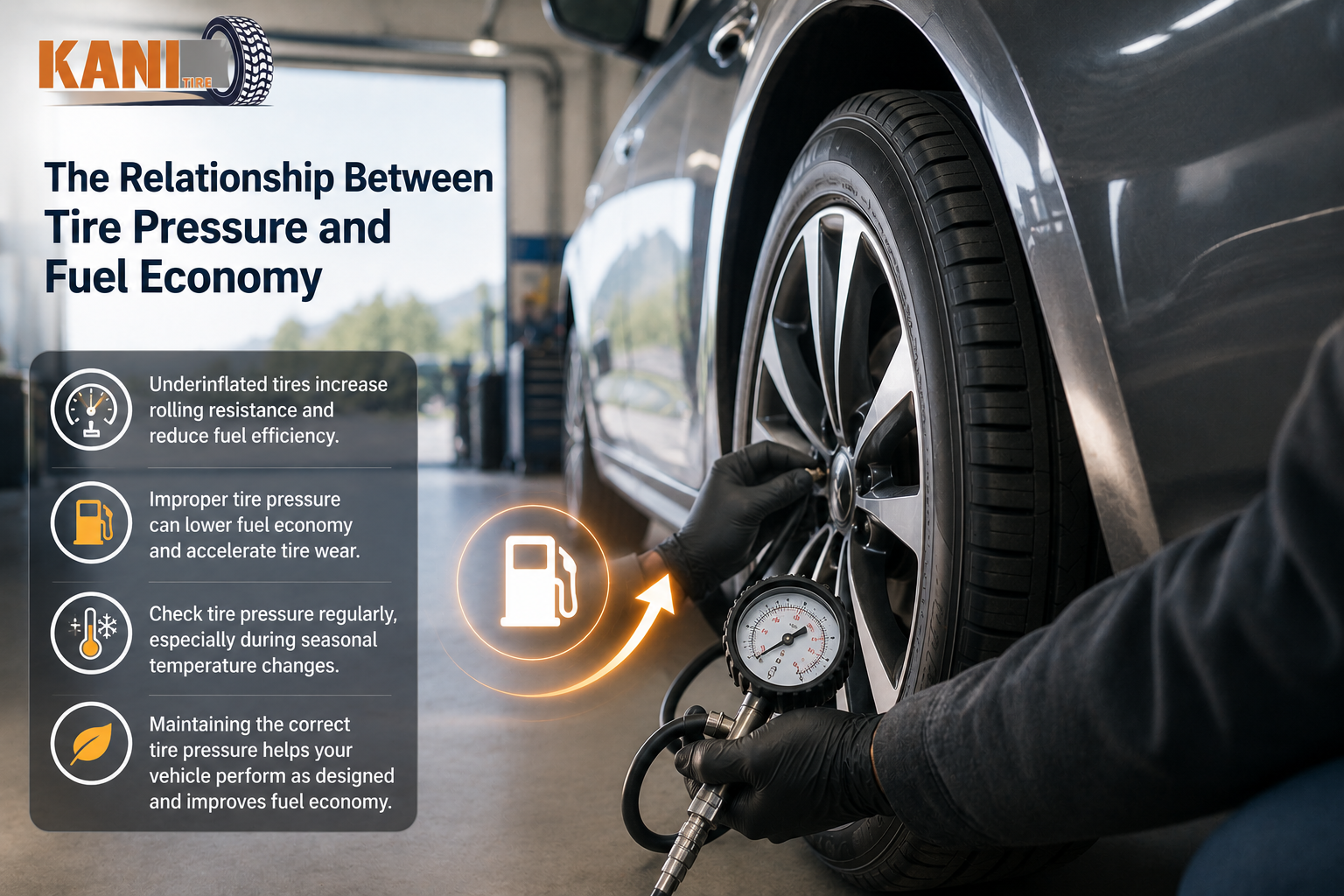
The Relationship Between Tire Pressure and Fuel Economy
Even if you choose the ideal tire size, incorrect tire pressure can reduce fuel efficiency.
Underinflated tires create more surface contact with the road. This increases rolling resistance and forces the engine to use more energy.
According to many automotive studies, driving with improperly inflated tires can reduce fuel economy and accelerate tire wear.
Drivers should check tire pressure regularly, especially during seasonal temperature changes. Cold weather can significantly reduce tire pressure, making regular inspections important for Canadian drivers.
Maintaining the correct tire pressure helps your tires perform as designed and allows your vehicle to achieve better fuel efficiency.
How Tire Maintenance Supports Fuel Efficiency
Choosing the right tire size is only one part of improving fuel economy. Proper maintenance ensures your tires continue working efficiently throughout their lifespan.
Important maintenance practices include:
- Checking tire pressure monthly
- Inspecting tread wear
- Maintaining proper wheel alignment
- Rotating tires regularly
- Repairing damaged tires quickly
Uneven tire wear can create additional resistance and reduce efficiency. It can also shorten the lifespan of your tires, causing you to replace them sooner than expected.
Regular maintenance helps your tires maintain consistent contact with the road, improving both safety and fuel economy.
A professional Tire Rotation Service helps distribute wear evenly between tires, allowing them to last longer and maintain better performance. Regular rotation is especially important for vehicles that experience different weight distribution between front and rear axles.
Should You Choose Eco-Friendly Tires?
In recent years, tire manufacturers have developed advanced fuel-efficient tire technologies designed to reduce energy loss.
Eco-friendly tires typically feature:
- Low rolling resistance compounds
- Optimized tread patterns
- Lightweight construction
- Improved rubber technology
These tires are designed to reduce the amount of energy needed to move your vehicle.
However, fuel efficiency should not be the only consideration. A tire must also provide reliable braking, wet-weather traction, and durability.
The best tire choice is one that matches your driving conditions while providing a good balance between efficiency and safety.
Common Mistakes When Choosing Tires for Fuel Economy
Many drivers make decisions based only on appearance or price. While these factors matter, choosing the wrong tire can increase costs over time.
Some common mistakes include:
Installing Oversized Tires
Larger tires may make a vehicle look more aggressive, but they often increase weight and rolling resistance.
This can reduce acceleration performance and increase fuel consumption.
Ignoring Load Rating
Every vehicle requires tires capable of supporting its weight safely.
Choosing tires with an incorrect load rating can affect handling, safety, and tire durability.
Buying the Cheapest Option
Low-cost tires may appear attractive initially, but they may have higher rolling resistance, shorter lifespan, or lower performance in challenging weather conditions.
A quality tire is an investment that can provide better efficiency and reliability over time.
Forgetting Regular Maintenance
Even the most efficient tire will not perform properly without proper care.
Alignment issues, incorrect pressure, and uneven wear can quickly reduce fuel savings.
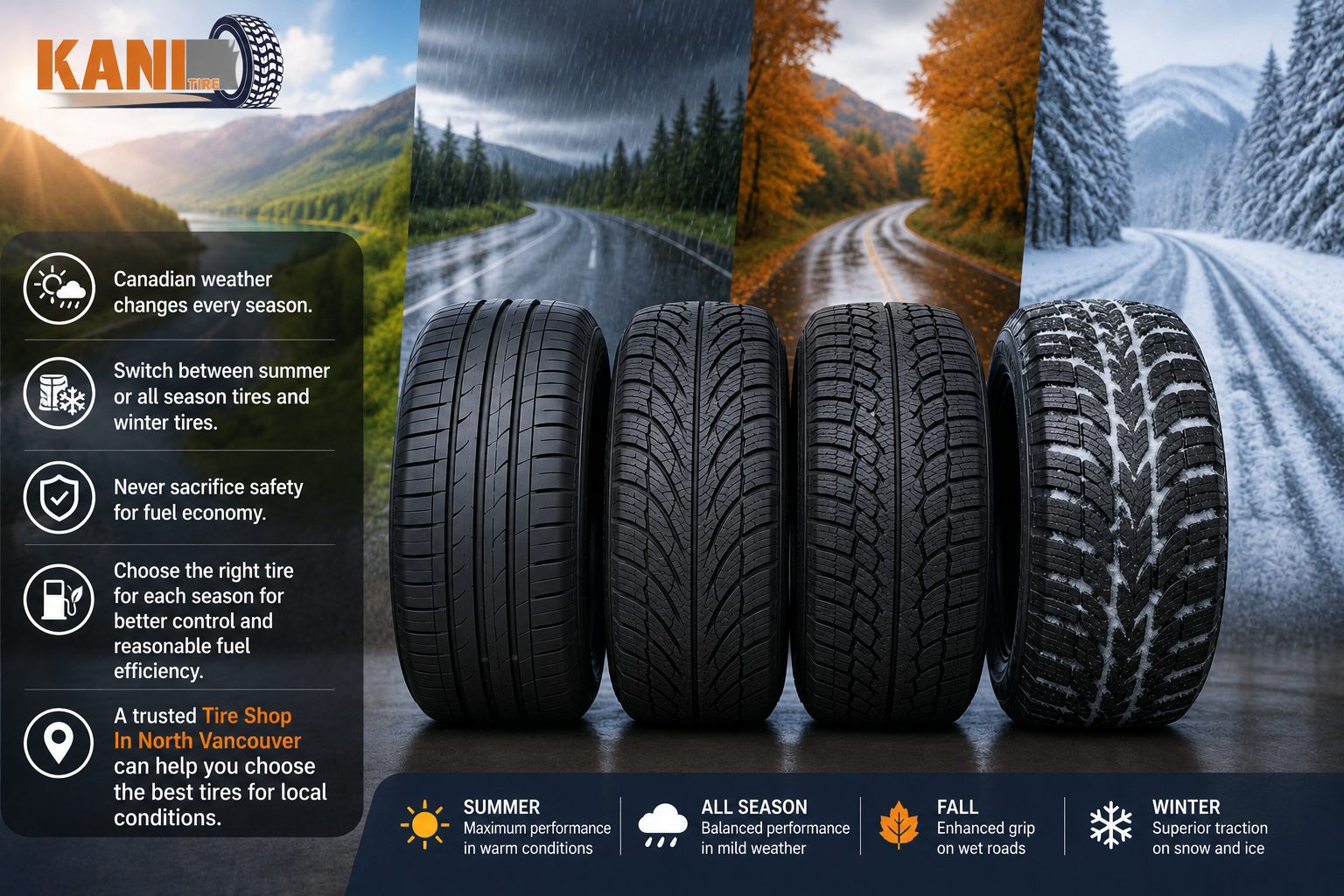
Seasonal Tire Considerations in Canada
Canadian drivers experience a wide range of weather conditions throughout the year. Temperature changes, rain, snow, and ice can all affect tire performance.
Many drivers switch between summer or all season tires and winter tires depending on the season.
When selecting tires for fuel economy, it is important not to sacrifice safety. A tire that performs well in warm conditions may not provide enough traction during winter driving.
For Canadian roads, choosing the right tire for each season ensures better control while still maintaining reasonable fuel efficiency.
A trusted Tire Shop In North Vancouver can help drivers understand which tire options work best for local weather conditions and driving needs.
How Much Can the Right Tire Size Save on Fuel?
Many drivers wonder whether changing their tire size can actually make a noticeable difference in fuel costs. While tires alone will not transform your vehicle’s fuel consumption, the right tire choice can contribute to better efficiency over time.
A small improvement in fuel economy may not seem important during a single trip, but over thousands of kilometers, those savings can add up.
For example, a driver who commutes every day may spend hundreds of hours on the road each year. If properly selected tires reduce rolling resistance and help the vehicle move more efficiently, the savings can become noticeable over the lifespan of the tires.
However, fuel economy depends on many factors, including:
- Driving style
- Vehicle condition
- Road conditions
- Weather
- Tire pressure
- Tire quality
- Tire size
The goal is not simply to choose the smallest or narrowest tire. The goal is finding the Best Tire Size for Better Fuel Economy while keeping your vehicle safe, comfortable, and reliable.
Is Changing Your Tire Size Worth It?
Some drivers consider changing tire sizes after learning about fuel efficiency. While changing from a larger tire setup to a more fuel-efficient option may provide benefits, it is not always necessary.
If your current tires are already close to the manufacturer’s recommended specifications, the improvement may be relatively small.
Before changing sizes, consider the following questions:
- Do you mainly drive in the city or on highways?
- Do you prioritize fuel savings or performance?
- Are your current tires affecting comfort or handling?
- Will the new tire size affect your vehicle warranty or safety systems?
Modern vehicles are designed with specific tire dimensions in mind. Features such as anti-lock brakes, traction control, and electronic stability systems rely on accurate tire measurements.
A small change may be acceptable, but major size changes can affect how these systems operate.
The Importance of Professional Tire Installation
Even the best tire size will not provide maximum fuel efficiency if the tires are installed incorrectly.
Professional installation ensures:
- Proper mounting
- Correct balancing
- Accurate tire pressure
- Safe wheel attachment
- Reduced vibration
Incorrectly installed tires can create uneven wear and unnecessary resistance, reducing both performance and efficiency.
When purchasing new tires, working with experienced technicians helps ensure that your investment provides the expected benefits.
A professional installation also allows technicians to inspect your wheels, alignment, and existing tire condition before recommending the best solution for your vehicle.
How Driving Habits Affect Tire Efficiency
Even with the correct tire size, your driving behavior has a major impact on fuel consumption.
Aggressive acceleration, sudden braking, and high-speed driving increase fuel usage and create additional stress on your tires.
To improve efficiency, drivers should:
- Accelerate smoothly
- Maintain consistent speeds
- Avoid unnecessary heavy loads
- Check tire pressure regularly
- Rotate tires according to manufacturer recommendations
Good driving habits combined with the right tire selection can maximize fuel savings and extend tire life.
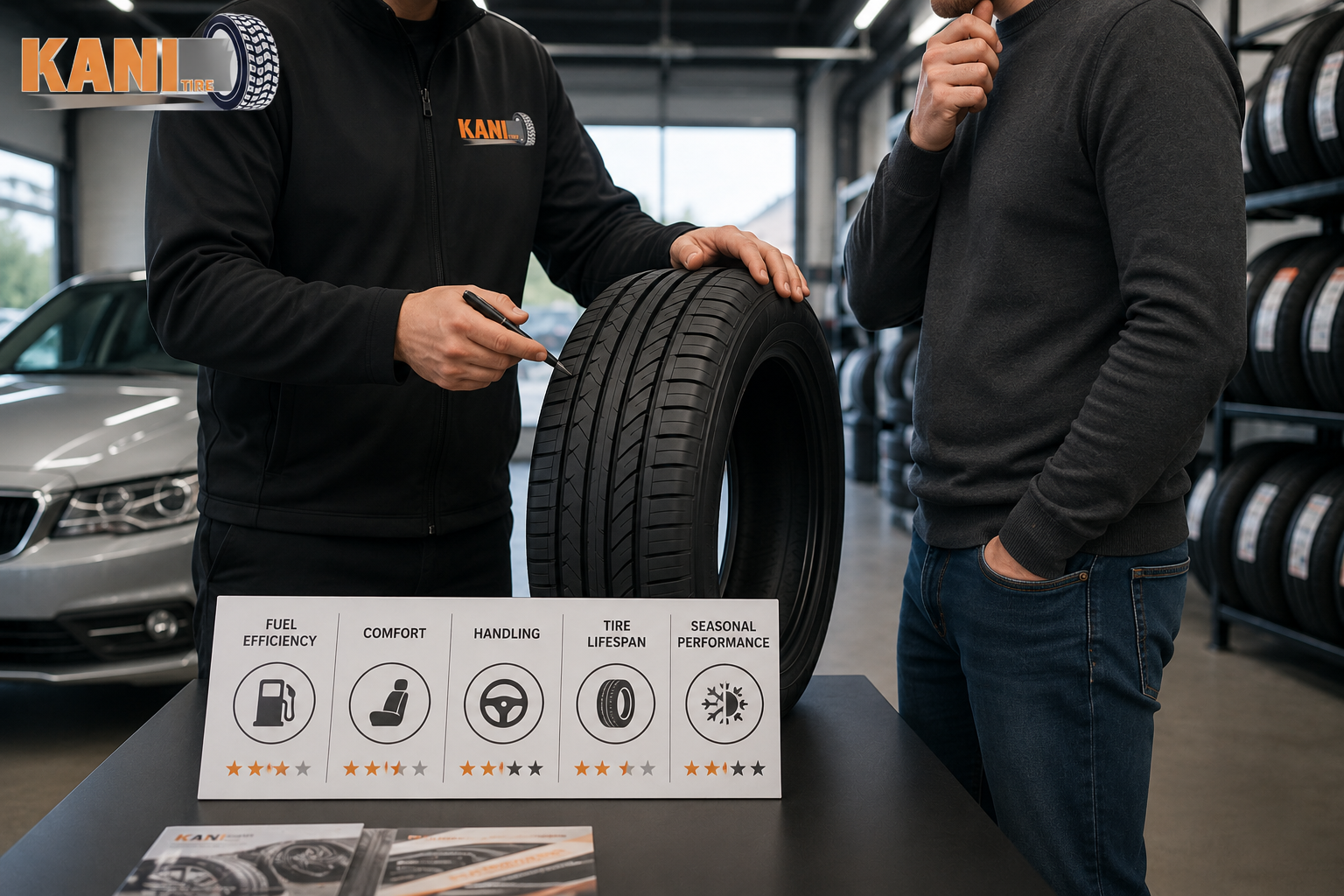
Choosing the Right Tire Partner
Selecting new tires involves more than simply choosing a size from a list. Drivers need reliable information about their vehicle, driving conditions, and long-term goals.
A knowledgeable tire professional can help you compare different options and explain how each tire size may affect:
- Fuel efficiency
- Comfort
- Handling
- Tire lifespan
- Seasonal performance
Working with an experienced tire provider ensures you choose tires that match your actual needs rather than simply following trends.
Finding the Best Tire Size for Better Fuel Economy
Choosing the right tire size is an important part of improving your vehicle’s fuel efficiency. While tire size is not the only factor affecting gas mileage, it influences rolling resistance, vehicle weight, handling, and overall performance.
For most drivers, the best choice is to stay close to the manufacturer’s recommended tire specifications and select a tire designed for efficiency and durability.
Remember these key points:
- Smaller does not always mean better fuel economy
- Wider tires usually increase rolling resistance
- Lightweight tires can improve efficiency
- Proper inflation is essential
- Regular maintenance extends tire life
- Professional advice helps you make better decisions
The right tire size provides a balance between fuel savings, safety, comfort, and performance.
Whether you are replacing worn-out tires or looking for a more efficient setup, choosing the correct tire size can help you reduce fuel costs and enjoy a smoother driving experience.
FAQ
What is the best tire size for better fuel economy?
The best tire size for fuel economy is usually the size recommended by your vehicle manufacturer. In many cases, tires with moderate width, lighter construction, and lower rolling resistance provide better efficiency without affecting safety.
Do smaller tires improve gas mileage?
Smaller tires can sometimes improve fuel economy because they may create less rolling resistance and weigh less. However, using tires that are too small for your vehicle can negatively affect safety, handling, and vehicle performance.
Do wider tires use more fuel?
Yes, wider tires often increase fuel consumption because they create more contact with the road and increase rolling resistance. While they may improve grip and handling, they can reduce efficiency.
Can tire pressure affect fuel economy?
Yes. Underinflated tires increase rolling resistance and make the engine work harder. Maintaining the recommended tire pressure helps improve fuel efficiency and extends tire life.
Should I buy low rolling resistance tires?
Low rolling resistance tires can help improve fuel efficiency by reducing energy loss while driving. However, drivers should also consider traction, durability, and weather performance before making a decision.
How often should I rotate my tires?
Most manufacturers recommend rotating tires approximately every 8,000 to 12,000 kilometers, but the exact schedule depends on your vehicle and tire type. Regular rotation helps maintain even wear and supports better performance.
Can changing tire size affect my vehicle?
Yes. Changing tire size can affect speedometer accuracy, handling, braking, suspension performance, and electronic safety systems. Always check compatibility before switching to a different size.
Where can I get advice about choosing the right tire size?
A professional tire service provider can evaluate your vehicle and recommend options based on your driving habits, location, and performance needs. Experienced technicians can help you select tires that provide a good balance of efficiency, safety, and durability.
 Tire Change
 Port Coquitlam